Inside the shoot
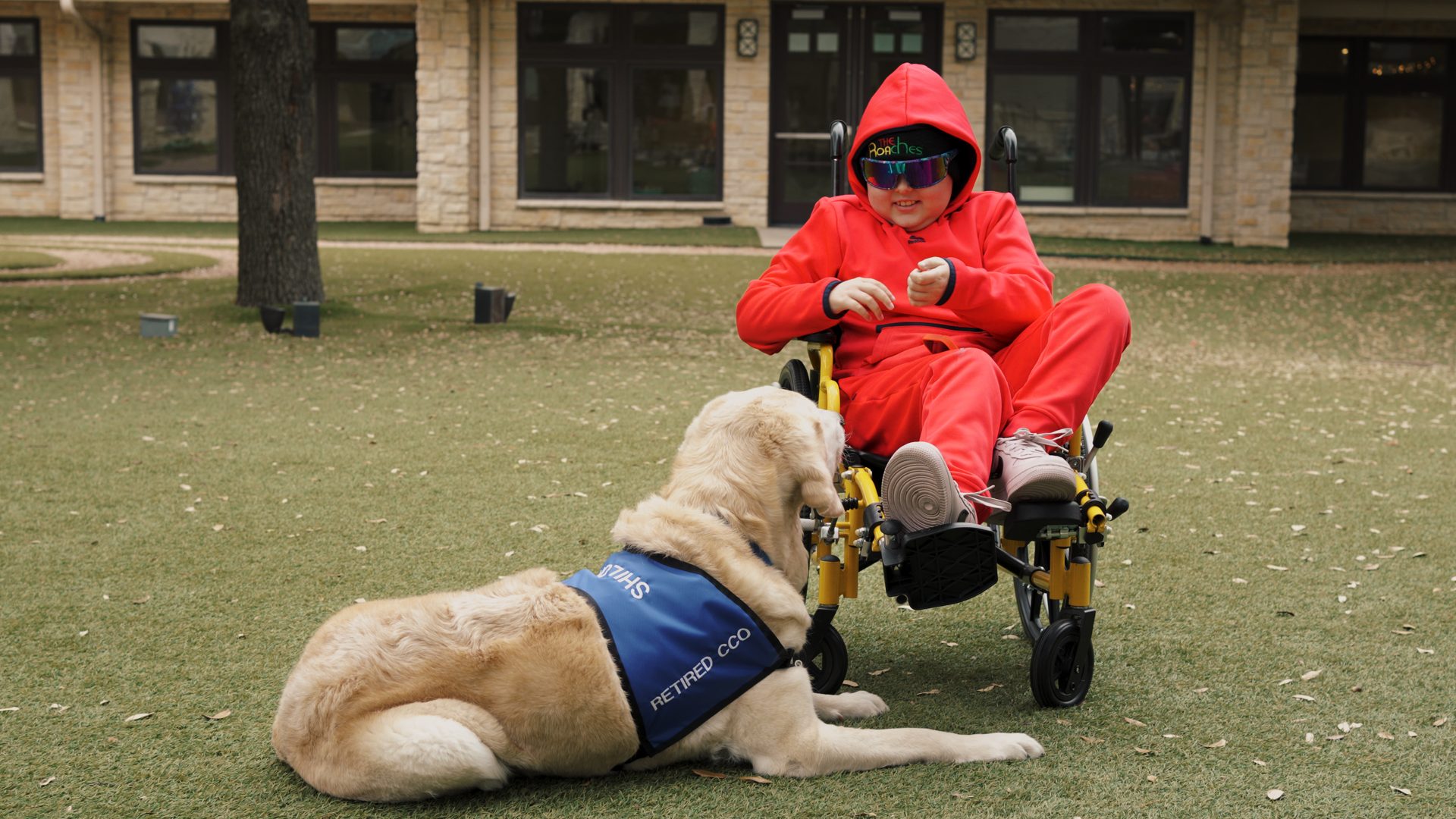
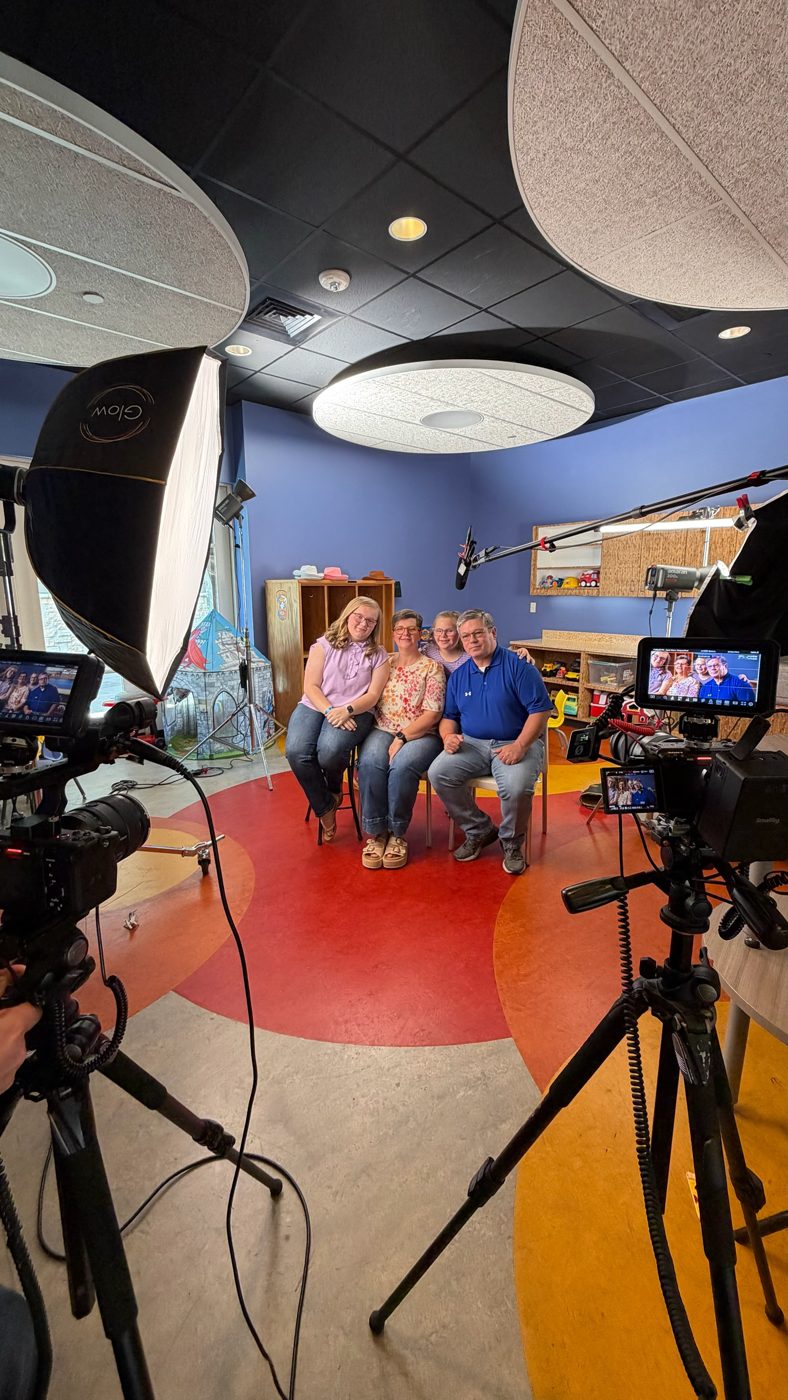
The film opens on the House itself, then hands the story to the people who know it best. A Children's Health physician explains why keeping families close is part of healing. Families staying at the House right now share what life looks like during treatment, and former guests who stayed there as kids look back on what it gave their families.
Every voice comes back to the campaign's theme, Home Is Where the Family Is, and to what the campaign is for: more room, so more families can stay together.
The brief
A capital campaign film for Home Is Where the Family Is, with the tagline Creating More Space for Families to Stay Together. The team wanted it happy and airy, not dark or dramatic, with candid family moments and the new campaign brand throughout. They needed a full-length film plus short versions for donor meetings, the website and social.
Our approach
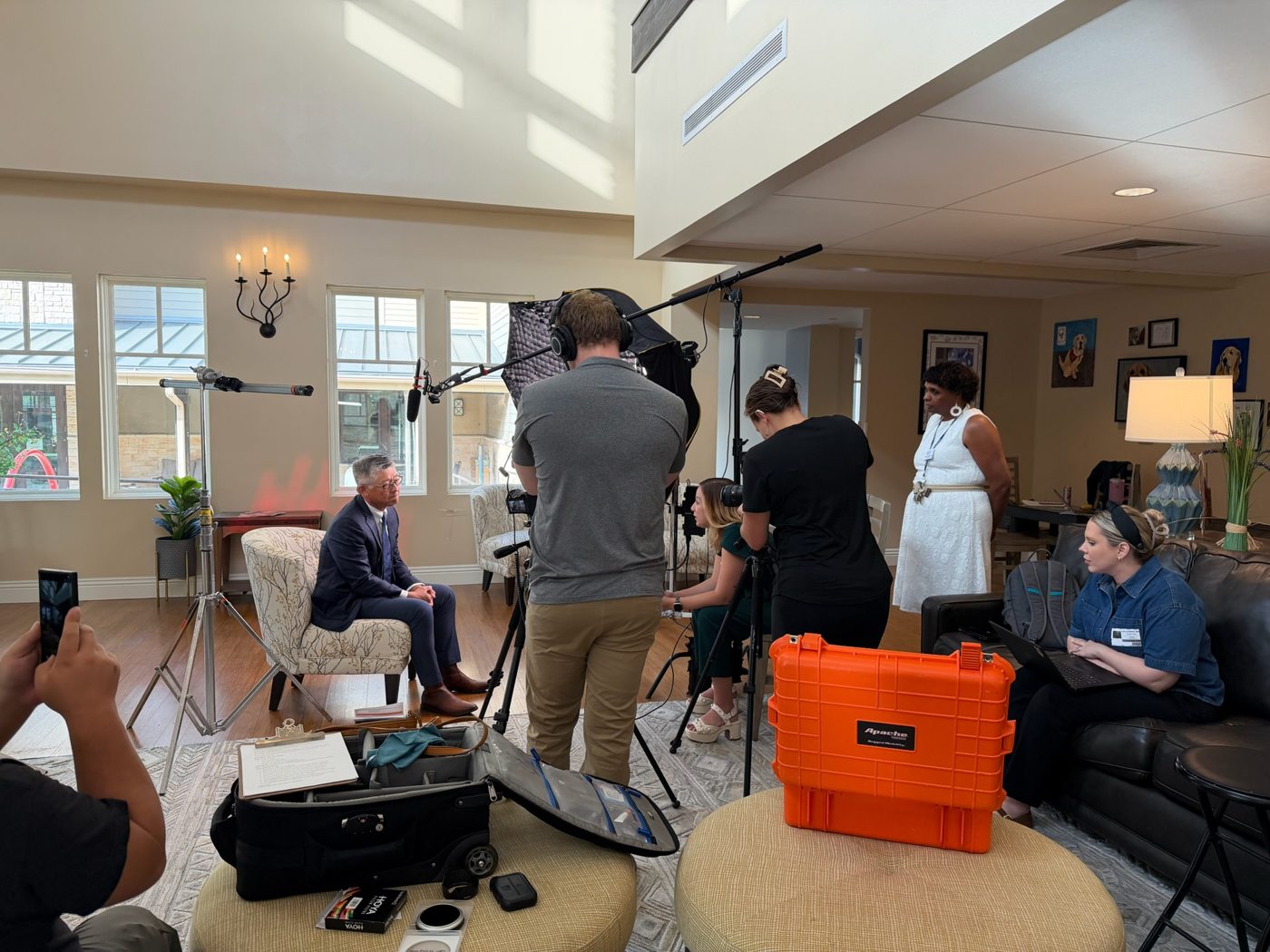
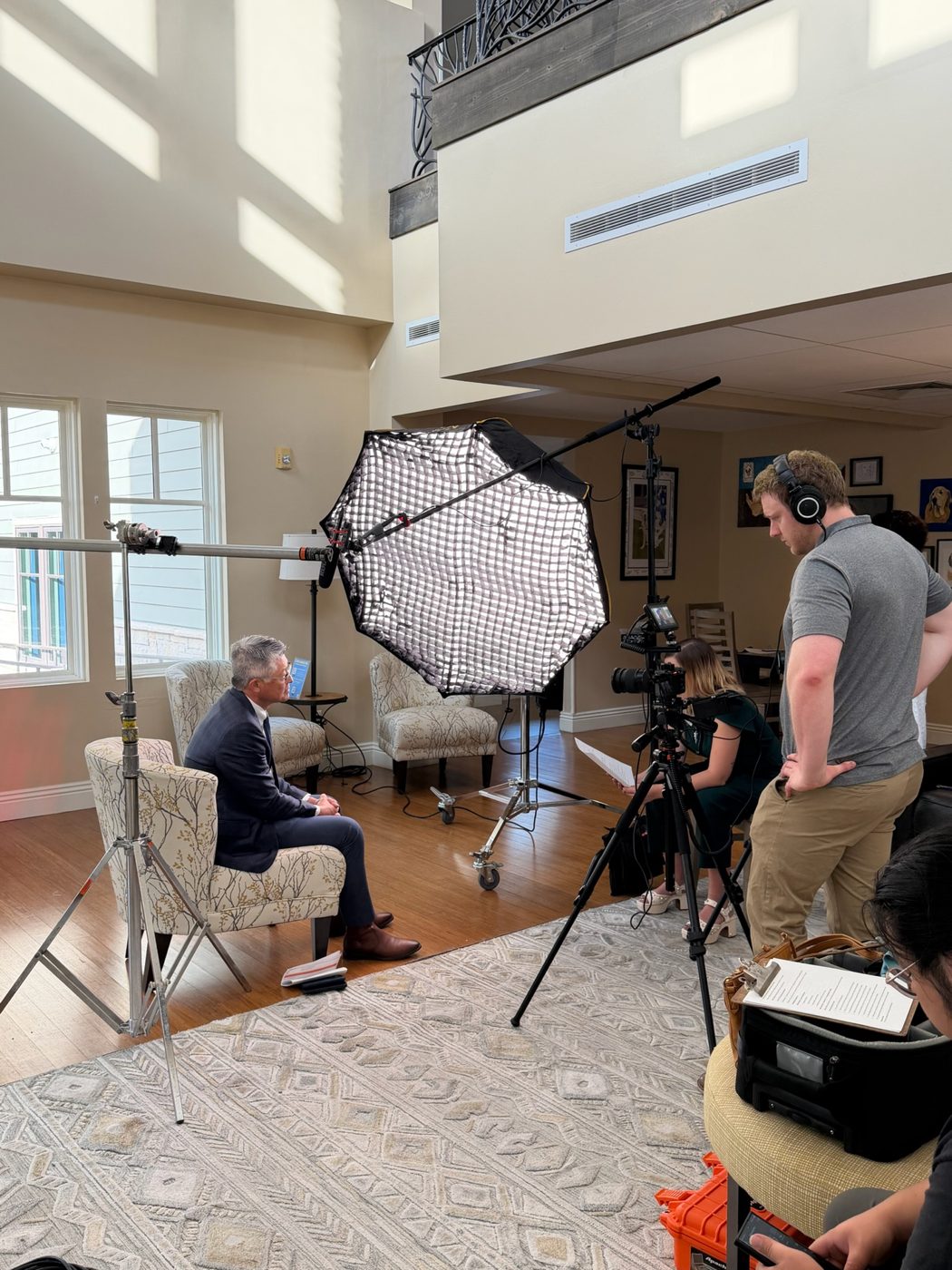
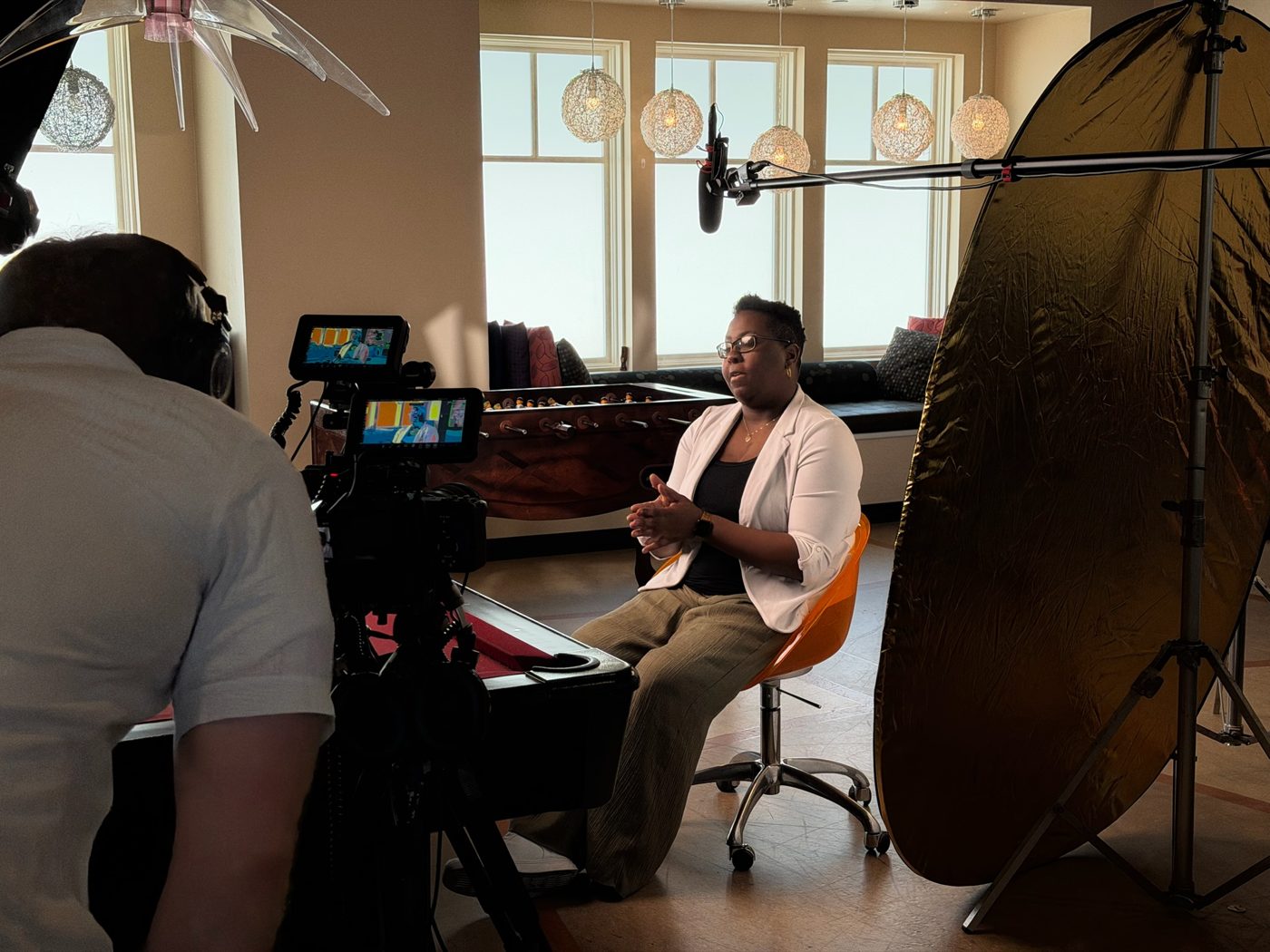
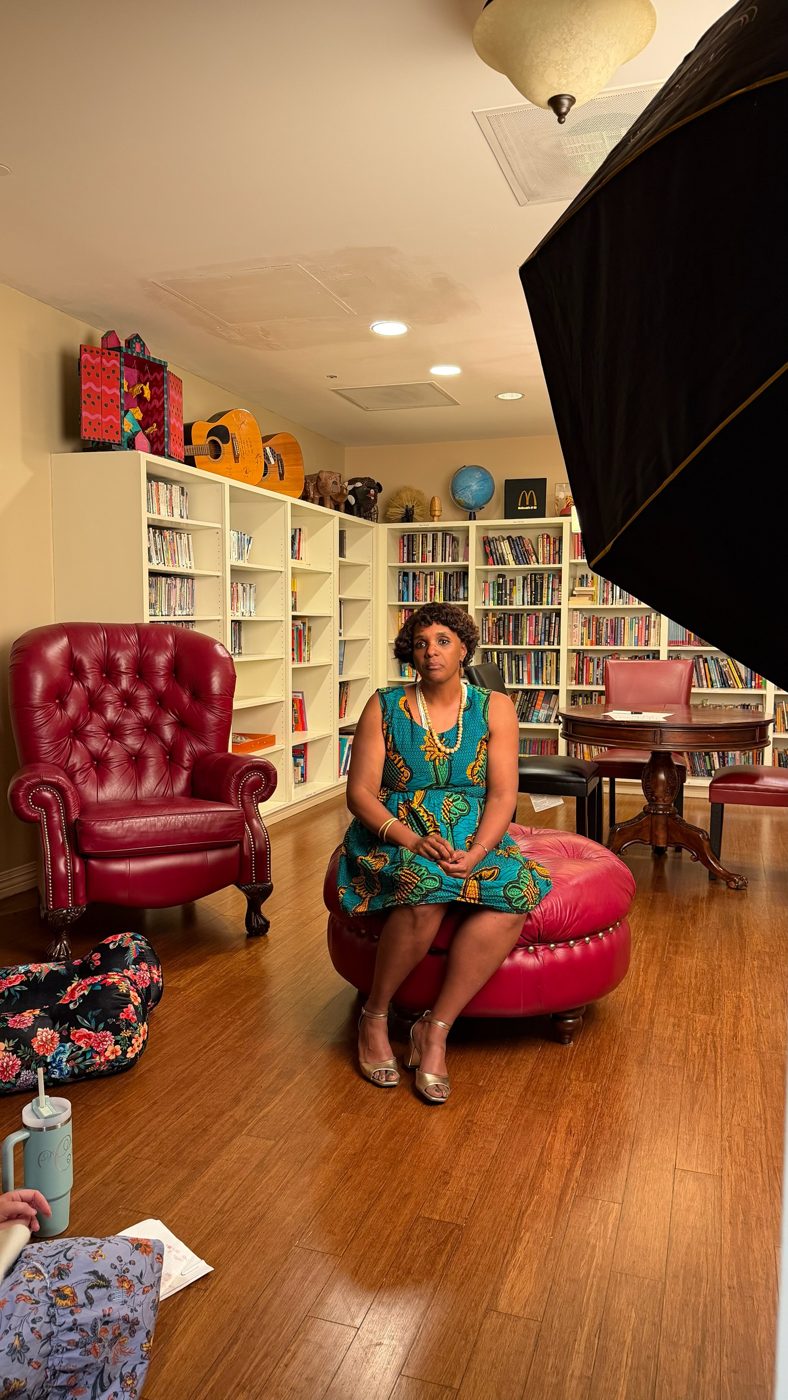
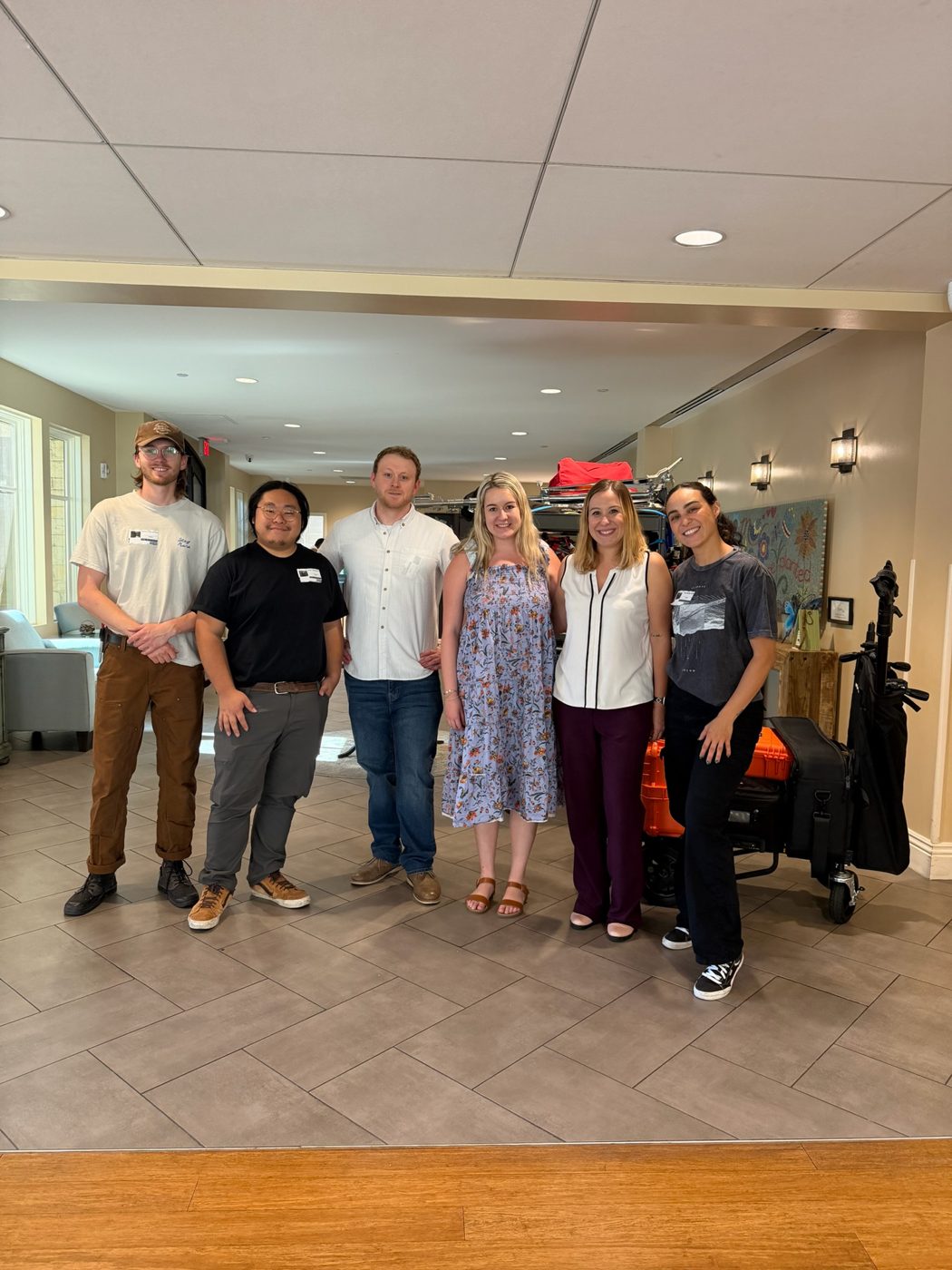
We filmed over two days at the House, with interviews scheduled around each family's day so nobody felt rushed. A physician, families staying there now and former guests each told their part of the story. Between interviews we filmed real moments: kids in the game room, families walking the halls hand in hand, the kitchen and the rooms. Every version, from the full film to the 15-second short, was cut from the same footage in the campaign's new logo, colors and type.
The result
The film runs on the House's YouTube channel and in donor meetings, where it lets families make the case for a bigger House in their own words. The team has been thrilled with how it turned out.
Preparing for a shoot FAQ
How should we prepare for a video shoot day?
We send a shot plan and schedule before the shoot. On your side: confirm who is on camera and when, reserve the rooms or areas we will use, and let staff know a crew will be on site. Clear desks and walls in the background, and have someone available who can unlock doors and answer questions.
How long will our people need to be on camera?
On average, no more than 20 to 30 minutes per person, depending on the project. We set up lighting and sound before anyone arrives, so your team only steps in when we are ready to roll.
What should people wear on camera?
Solid colors work best. Avoid small stripes, tight patterns, bright white and logos from other companies. Bring a second option in case something reads poorly on camera, and wear what you would wear to meet an important client. The final look comes down to how the brand needs to be represented, and we will talk it through before the shoot.
Do we need to write a script?
No. For interview-led films we prepare questions with you, and the story comes from your people in their own words. For product or explainer pieces we draft the script and you approve it before the shoot.