From storyboard to screen
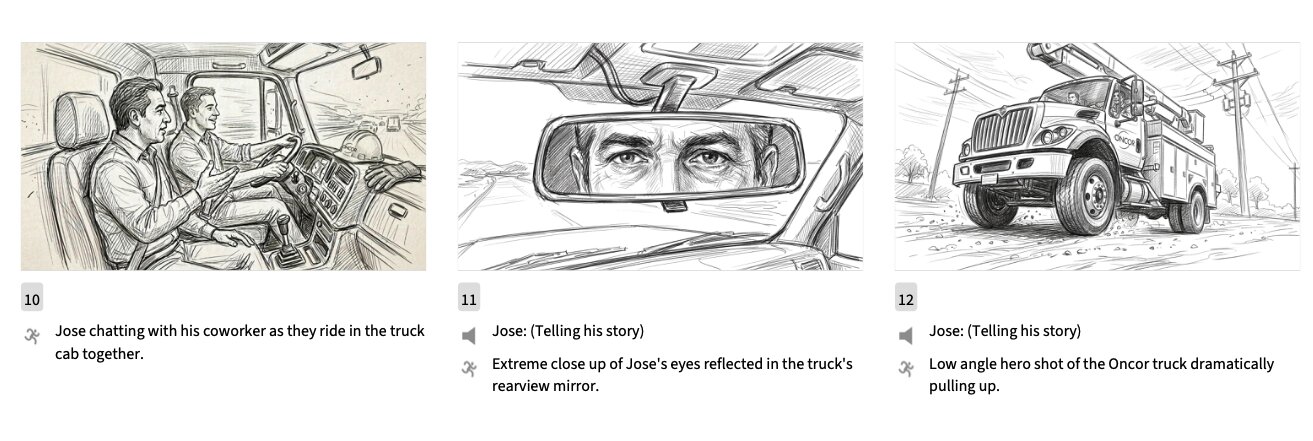
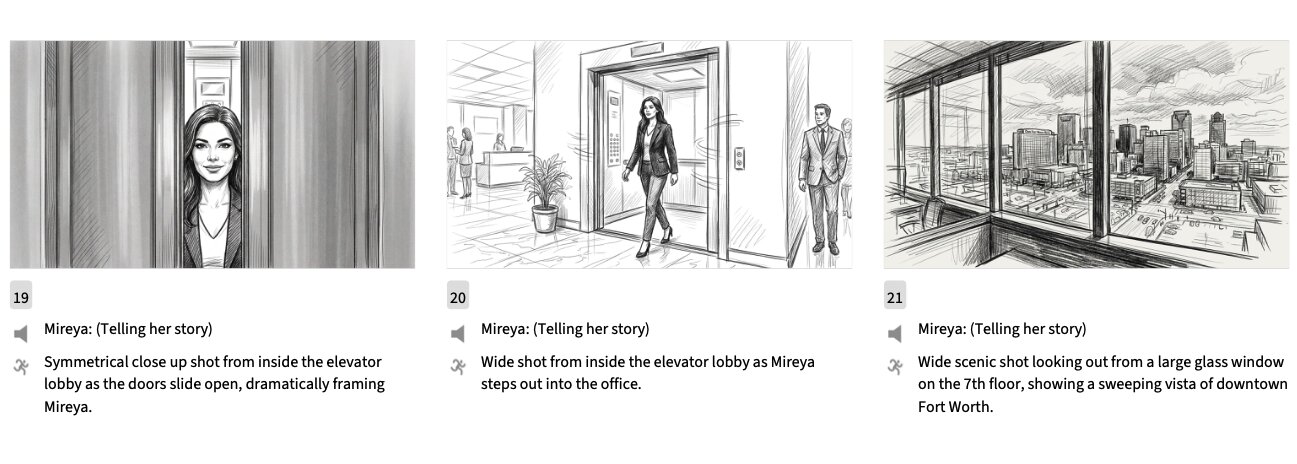
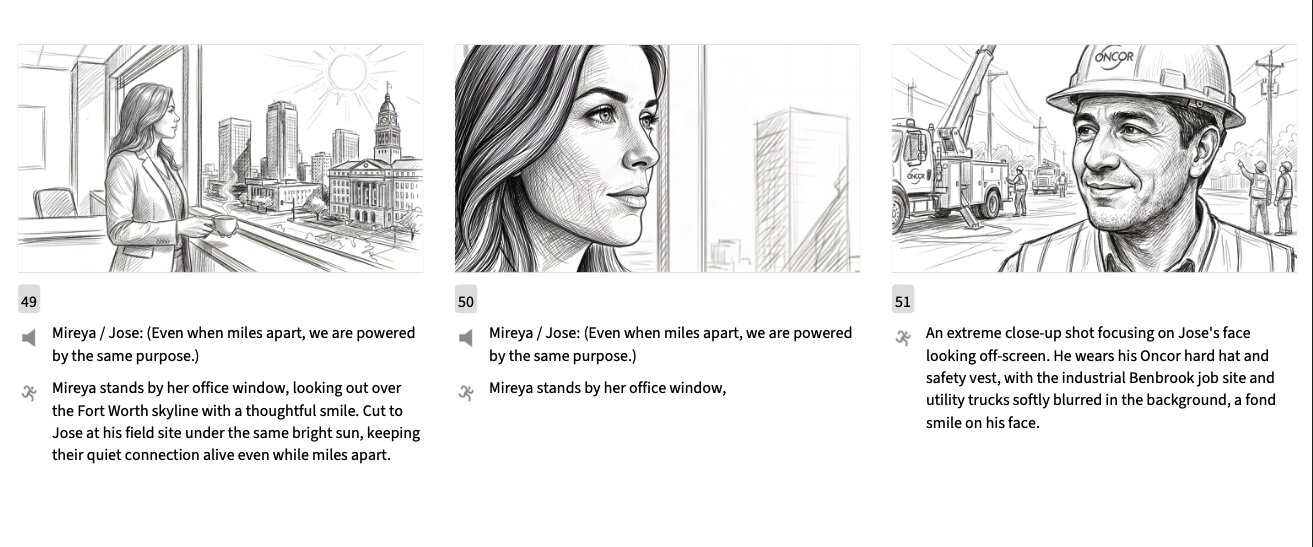
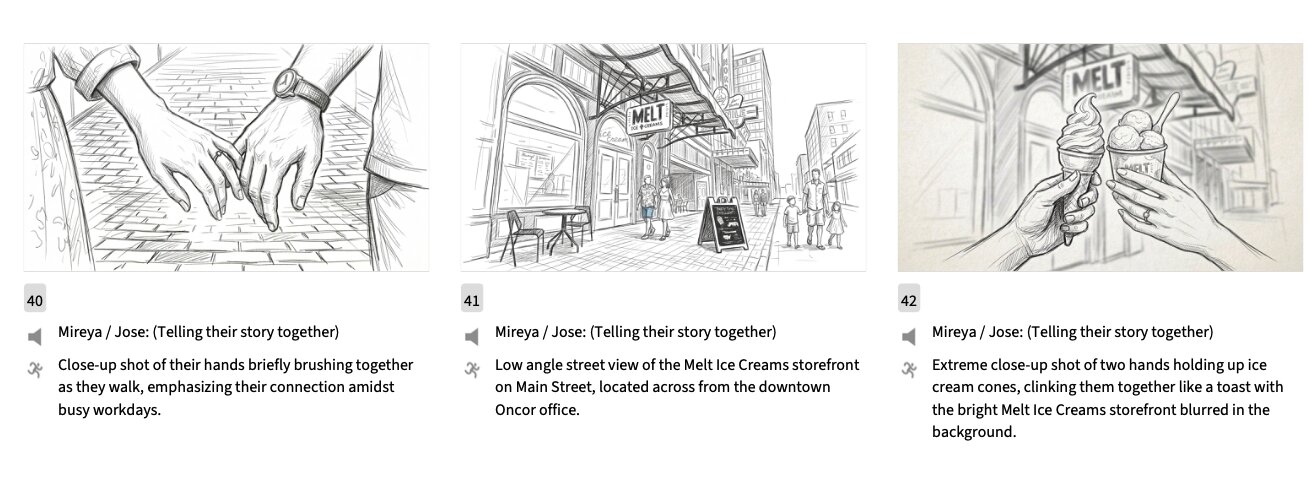
Robbie storyboarded Power Couples shot by shot before the shoot, so the day ran smooth and every scene had a reason to be there. A few of the frames:
Inside the shoot
Two films, two sides of the same company. Women's History Month gives two women at Oncor the floor to tell their own stories. Power Couples follows a husband and wife who both work at Oncor: he's a lineworker out of Benbrook, she's an area manager in Fort Worth. We followed each of them through a workday, then brought them together downtown.
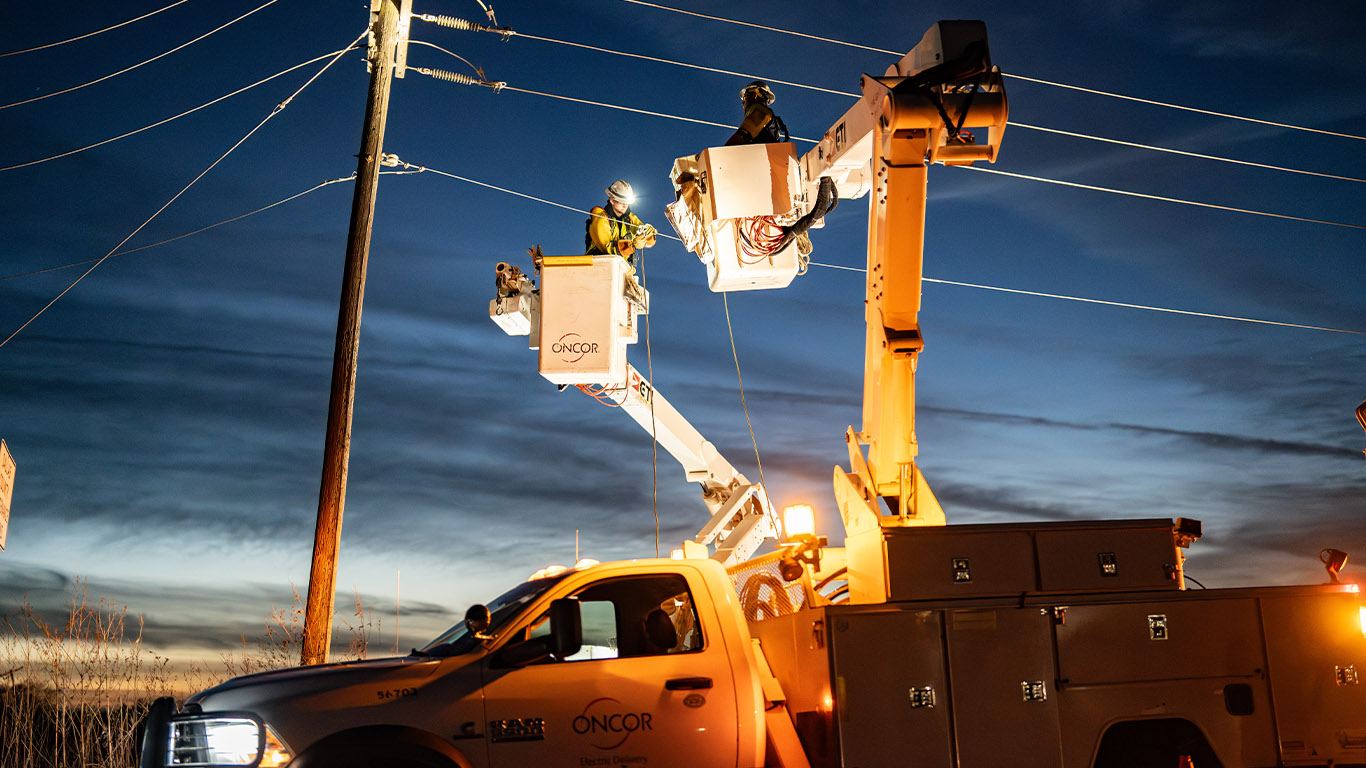
Alongside the films, we covered lineworkers on the job in photo and video, day and night, shot both vertical and horizontal so the same footage works for social, internal news and the website.
The brief
Oncor needed two things: lineworker coverage in photo and video that shows field work as it really is, and culture films about the people who do it.
Our approach
On field days we shot photo and video side by side on active job sites, working around crews and safety rules so filming never slowed the work. For the culture films we helped shape the interview questions, and Robbie storyboarded the shots, then filmed with a two-camera interview setup, full lighting and sound, and b-roll from the job and the community.
The result
The films run on Oncor's YouTube channel and in internal communications, where employees see their own coworkers telling the story.
Preparing for a shoot FAQ
How should we prepare for a video shoot day?
We send a shot plan and schedule before the shoot. On your side: confirm who is on camera and when, reserve the rooms or areas we will use, and let staff know a crew will be on site. Clear desks and walls in the background, and have someone available who can unlock doors and answer questions.
How long will our people need to be on camera?
On average, no more than 20 to 30 minutes per person, depending on the project. We set up lighting and sound before anyone arrives, so your team only steps in when we are ready to roll.
What should people wear on camera?
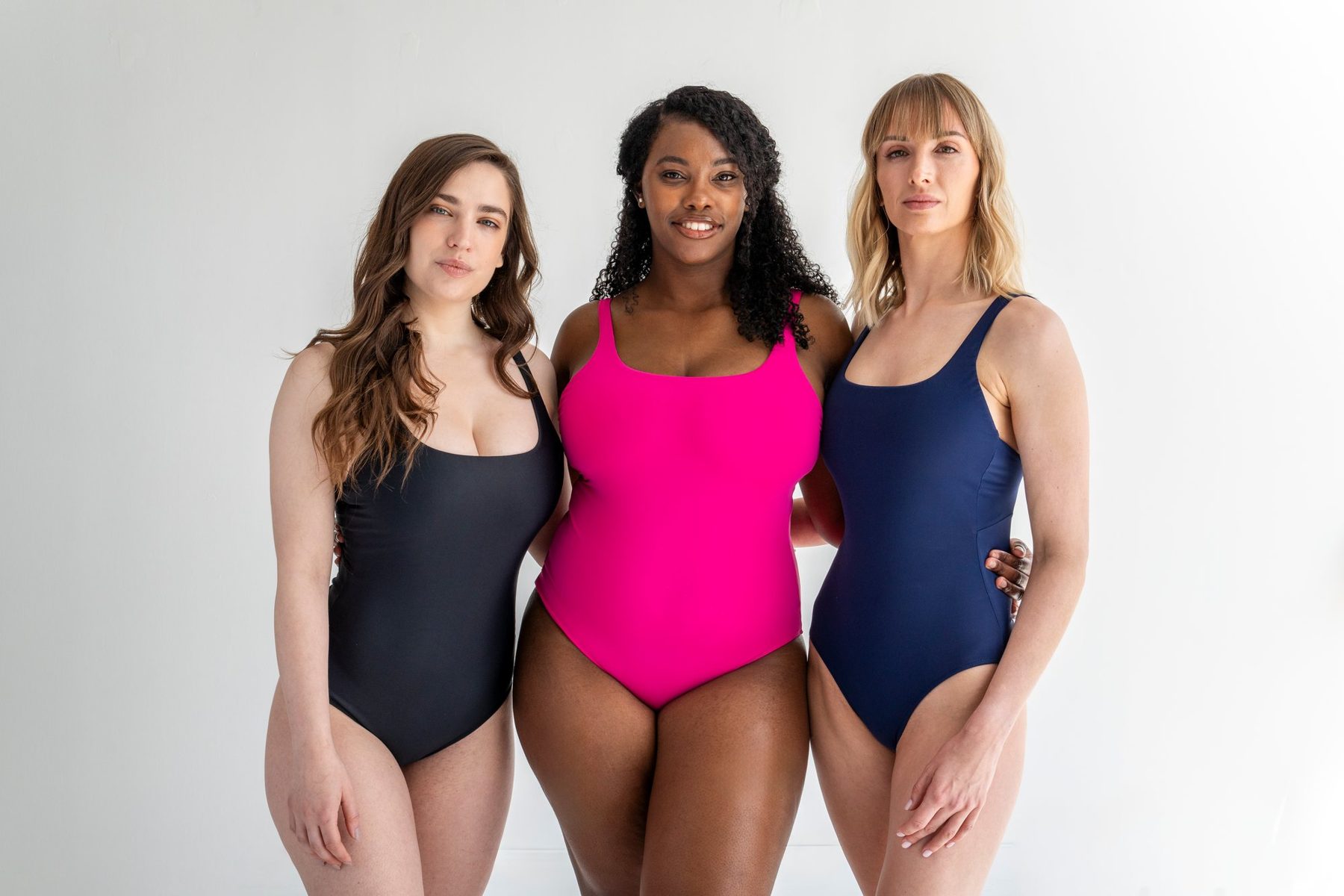
Solid colors work best. Avoid small stripes, tight patterns, bright white and logos from other companies. Bring a second option in case something reads poorly on camera, and wear what you would wear to meet an important client. The final look comes down to how the brand needs to be represented, and we will talk it through before the shoot.
Do we need to write a script?
No. For interview-led films we prepare questions with you, and the story comes from your people in their own words. For product or explainer pieces we draft the script and you approve it before the shoot.